Top 5 Dental Myths Busted!!
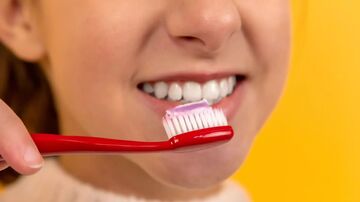
When it comes to taking care of your smile, there are a number of misconceptions that can cause damage to your oral health. In this month’s blog the team at Benfleet Dental Centre look to dispel some of these myths.
Myth 1 – The harder you brush the cleaner your teeth will be
Brushing too hard or using a toothbrush with hard bristles can damage your oral health by eroding the enamel that protects teeth and causing the gums to start to recede. Here at Benfleet Dental Centre we advise that you always use either a soft or medium bristled toothbrush or an electric toothbrush to help protect your teeth and gums from toothbrush abrasion.
Myth 2 – Interdental cleaning isn’t necessary
Brushing alone only reaches around 60% of tooth surfaces. Using interdental cleaning aids such as floss, floss picks or interdental brushes, helps to reach those surfaces in between teeth that brushing alone misses. Food and bacteria left between teeth, can give off a bad odour, causing bad breath and if the bacteria is left to multiply can cause gum disease and tooth decay. Make sure you use interdental cleaning aids daily to keep your smile looking its best.
Myth 3 – If your gums bleed, stay clear
The reason that your gums bleed when brushing is inflammation, caused by a build up of plaque or bacteria. If you notice any bleeding when you brush or floss it is important that you are even more thorough with your oral hygiene routine to help remove the build-up of plaque or bacteria. Over time with careful cleaning the gums will become healthier and the bleeding will stop.

Myth 4 – It is important to rinse your mouth after brushing
It is important to spit, not rinse after brushing. This enables the fluoride in your toothpaste to continue working on your teeth promoting enamel mineralisation. Fluoride promotes the formation of a compound called fluorapatite, which is very close to compounds that occur naturally in your teeth. Fluorapatite incorporates itself into the enamel, strengthening your teeth against cavities. Rinsing your mouth immediately can remove helpful fluoride.
Myth 5 – You don’t need a dental check-up if you’re not in pain
With many dental issues, you don’t necessarily feel pain right away. If you leave going to the dentist until you start to notice symptoms it will require much more complex treatment to rectify them. If you wait until a cavity hurts, you could end up needing a root canal or extraction but with regular check-ups the problem could be fixed with a simple filling. By attending for regular routine dental appointments the dentist is able to find problems up to 7 years before they cause you pain.
If you would like to find out more about how common misconceptions could be damaging your dental health, do not hesitate to contact Benfleet Dental Centre on 01702 557766 to book a consultation appointment today!
Contact us to make an appointment



Related news from the practice
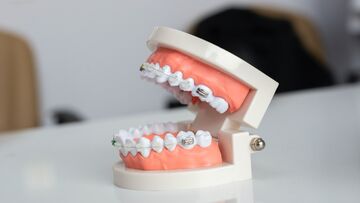
Teeth Straightening and Its Benefits
20/11/2023

Mouth Cancer Action Month
04/11/2023

For every toothbrush there is a season
06/10/2023

Benefits of wearing a sport mouth guard
02/09/2023
Visit the practice
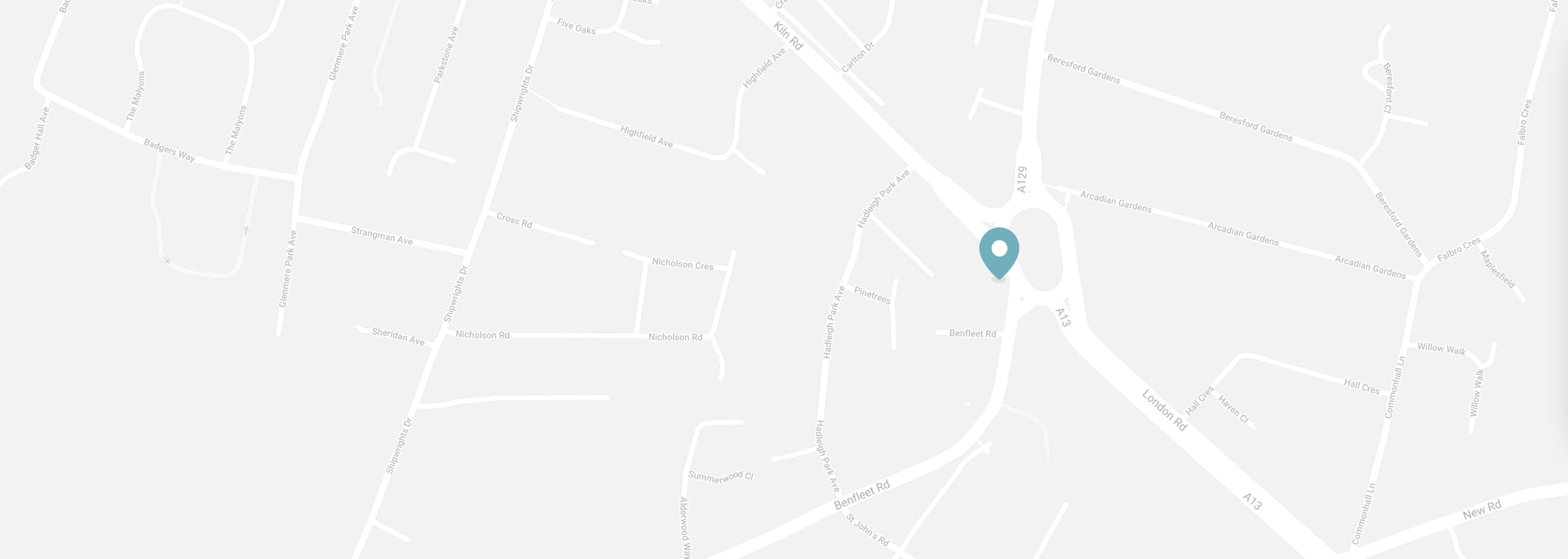
Benfleet Dental Centre
8 Benfleet Road, Benfleet. SS7 1QB
Opening times
| Monday | 08:00 - 17:00 |
| Tuesday | 08:00 - 18:30 |
| Wednesday | 08:00 - 17:00 |
| Thursday | 08:00 - 17:00 |
| Friday | 08:00 - 17:00 |
| Saturday | 09:00 - 14:00* |
| *By appointment only |