Dental Bridges vs Implants: Which Is the Better Option?
Losing a tooth can be a huge blow to your confidence, and it can also lead to health issues further down the line. This is why restoration options are so popular. Thankfully, there are multiple options available for all budgets, so we’re confident you’ll find a solution that is right for your needs.
Two of the most popular options for restoring your smile after tooth loss include dental implants and dental bridges. These are permanent restorations that are fixed in your mouth, so they are very different to removable options like partial dentures.
In this guide, we’re exploring the differences between these two popular treatments and how you can make a final decision about which option is right for you.

Dental implants Vs dental bridges
A dental implant is a complex dental procedure that involves placing a small titanium screw into the jaw bone and leaving it to heal. As the bone heals around the implant, it forms a solid anchor for a tooth restoration. This allows the attached crown to function and feel like a natural tooth, with an artificial tooth root attached to the jaw bone.
A dental bridge is a restoration option that includes a prosthetic tooth attached to double crowns that sit on the neighbouring teeth. While the end result might look very natural, it requires extra care to ensure the patient cleans carefully around and under the artificial tooth.

Pros and cons of dental implants
Benefits of dental implants include:
- Natural-looking restoration that functions like a real tooth.
- Helps to keep jaw bone active, which prevents loss of bone density and a change in facial structure.
- Permanent and long-lasting solution that can last a lifetime with good care.
- Encourages excellent oral health habits due to elevated risk of damage linked to gum disease.
- Allows patients to eat a wide range of foods without worrying about the implant coming loose.
Downsides of dental implants include:
- More expensive procedure than a simple bridge.
- Treatment takes 3-6 months to complete as it requires multiple steps and periods of healing between treatments.
- Risk of implant failure if the patient smokes or fails to care for their teeth correctly.
- Bone grafting may be required, which can extend the overall treatment time.
- This is only available as a private treatment and is not available as NHS treatment.

Pros and cons of dental bridges
Benefits of dental bridges include:
- Fast and effective treatment for missing teeth.
- Flexible treatment options, including crown supports or a metal wing attached to the back of the surrounding teeth.
- Can help to support surrounding teeth that might also have suffered damage from decay or trauma.
- Treatment completed in 2-3 weeks.
- Relatively low cost when compared to dental implants.
- This treatment is available on the NHS, although the choice of restoration materials may be more limited than with private treatment.
Downsides of dental bridges include:
- Bridges will need to be replaced after 10-12 years. Some bridges can last in excess of 15 years with good care.
- Can result in a loss of jaw bone density due to a lack of stimulation.
- A bridge can come loose while eating very hard or sticky foods, so patients may need to be mindful of food choices.

Which treatment is right for you?
As you can see, there are pros and cons to each treatment option. Before choosing a treatment to restore your smile, you should speak to a dental professional. A dentist will be able to tell you if you are a suitable candidate for each treatment type.
For many patients, it’s the treatment time and the cost that will be the final deciding factors. If you’re looking for a fast restoration, then a dental bridge is the way to go. If you’re happy to spend a little more for a treatment that could last a lifetime with good care, then dental implants could be the right choice for you.
Contact us to make an appointment



Related news from the practice



Visit the practice
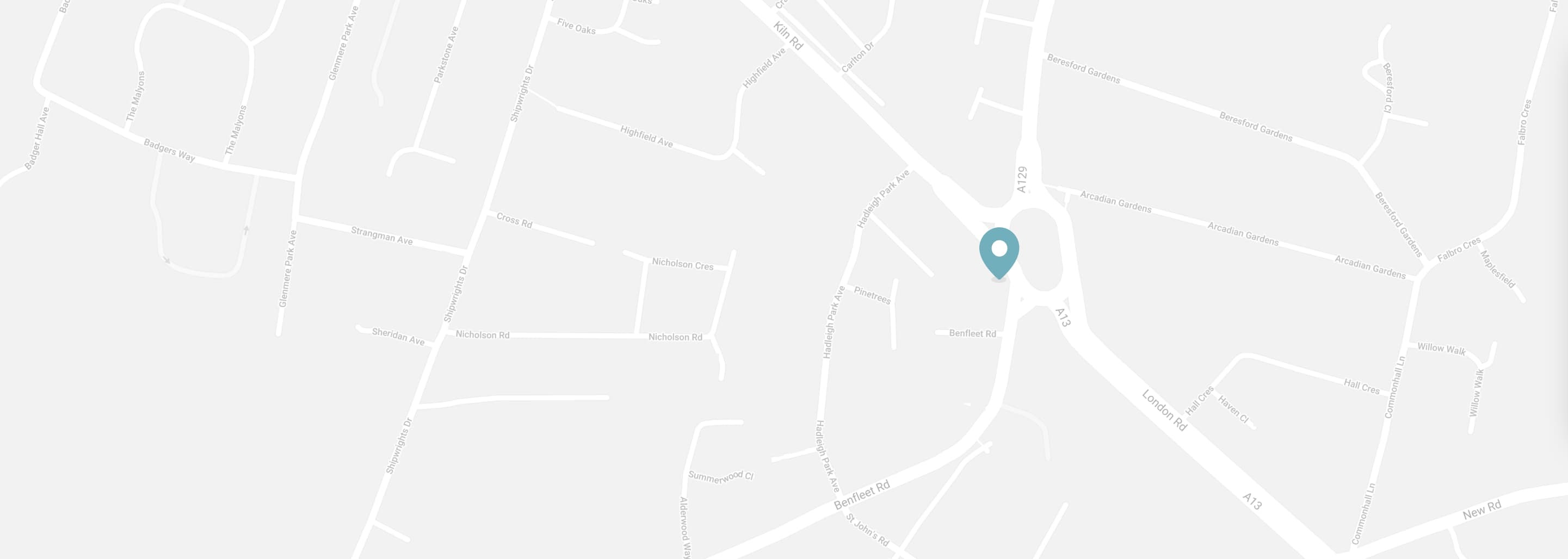
Benfleet Dental Centre
8 Benfleet Road, Benfleet. SS7 1QB
Opening times
| Monday | 08:00 - 17:00 |
| Tuesday | 08:00 - 18:30 |
| Wednesday | 08:00 - 17:00 |
| Thursday | 08:00 - 17:00 |
| Friday | 08:00 - 17:00 |
| Saturday | 09:00 - 14:00* |
| *By appointment only |