7 Steps to Ensure Your Child’s Smile Lasts a Lifetime

Although your child only keeps their baby teeth for a few years, it is still incredibly important that they are cared for from the moment they appear. Research has shown that 30% of parents think it is okay for a child to experience dental decay before they reach thirteen. However, tooth decay is one of the few entirely preventable diseases.
In this blog, we have 7 top toothbrushing tips to keep your children’s teeth looking their best:
1. Use a soft small headed toothbrush
Brush teeth using a soft, small headed toothbrush. Follow a set routine each time you brush to ensure that no area is missed.
2. Brush your teeth twice a day
Brush teeth twice a day, before bed and at least one other time during the day. Brushing before bed ensures that the bacteria is removed from teeth and teeth are protected when saliva production is reduced during the night. It is important that you assist your children with teeth brushing until they are 7 or you are confident they are brushing correctly by themselves.
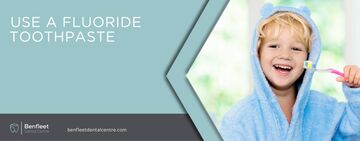
3. Use a fluoride toothpaste
Use a fluoride toothpaste, fluoride helps prevent tooth decay by making teeth more resistant to acid attacks from plaque bacteria and sugars in the mouth. It also reverses early decay.
- Children under 3 years old should brush twice daily, with a smear of toothpaste containing at least 1,000ppm fluoride.
- Children between 3 and 6 years old should brush at least twice daily with a pea-sized amount of toothpaste containing more than 1,000ppm fluoride.
- Children over 6 should brush at least twice daily with a toothpaste containing 1,350-1,500ppm fluoride.
4. Do not rinse after brushing
Encourage children to spit out any excess toothpaste, but do not rinse. This ensures that the fluoride in the toothpaste is given time to work strengthening teeth.
5. Wait before eating or drinking
It is important to wait at least 30 minutes after eating or drinking before brushing. Food and drinks soften tooth enamel and brushing straight after a meal can wear the enamel away and once the enamel is removed it cannot be replaced.

6. Make brushing fun
To ensure that toothbrushing does not become a battle, make it fun. Choosing a favourite song, you can brush along to, allow your children to choose their own toothbrush and use a reward chart to track brushing. Buy a two-minute egg timer to help your child have a visual representation of the time they need to keep brushing for. They could add a star to their reward chart every time they brush for the required length.
7. Use encouragement
We all know children like to copy things. Brushing your teeth in front of your child can encourage them to brush theirs too. Encouragement is essential.
At Benfleet Dental Centre, we have years of experience in being able to treat the whole family and with our focus on preventative dentistry we understand by putting in good oral hygiene routines from a young age we can help to future proof your family’s smile. Call 01702 557766 to book a consultation appointment today!
Contact us to make an appointment



Related news from the practice
Teeth Straightening and Its Benefits
20/11/2023

Mouth Cancer Action Month
04/11/2023
For every toothbrush there is a season
06/10/2023

Benefits of wearing a sport mouth guard
02/09/2023

Visit the practice
Benfleet Dental Centre
8 Benfleet Road, Benfleet. SS7 1QB
Opening times
| Monday | 08:00 - 17:00 |
| Tuesday | 08:00 - 18:30 |
| Wednesday | 08:00 - 17:00 |
| Thursday | 08:00 - 17:00 |
| Friday | 08:00 - 17:00 |
| Saturday | 09:00 - 14:00* |
| *By appointment only |